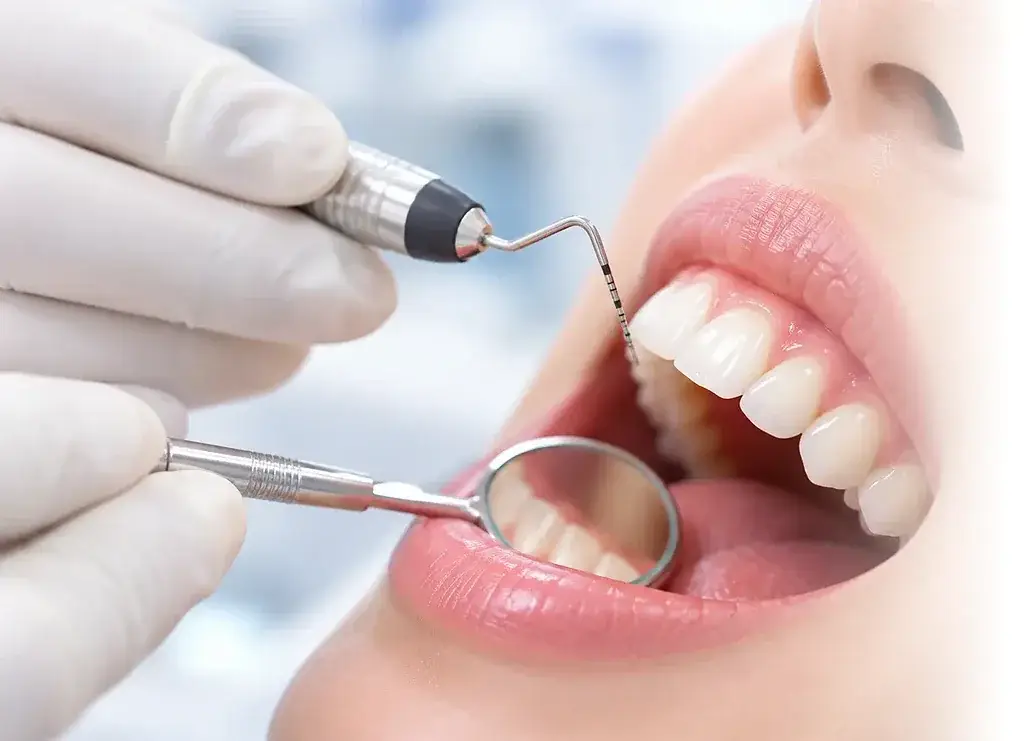
Periodontics

(Gum Disease Treatment)

leading to gingivitis, loose teeth, and an increased risk of tooth loss

Dedicated care and safety, certified to ISO 9001:2015 standards

Care provided by a specialist in periodontics

Periodontics

(Gum Disease Treatment)

leading to gingivitis, loose teeth, and an increased risk of tooth loss

Dedicated care and safety, certified to ISO 9001:2015 standards

Care provided by a specialist in periodontics

Gum Disease and Gingivitis: What Are They?

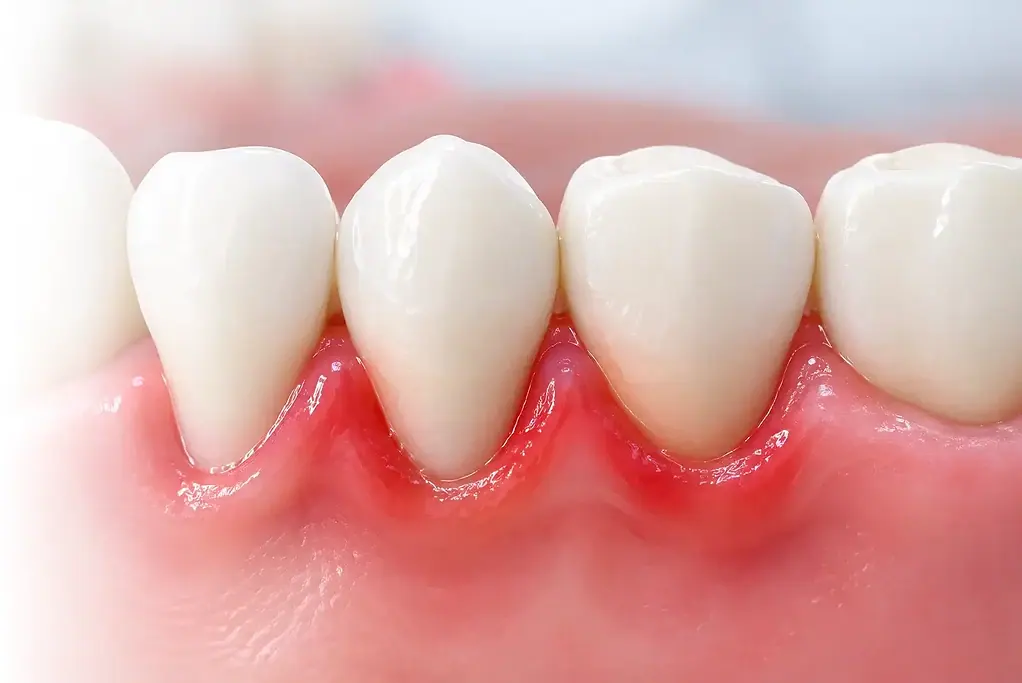
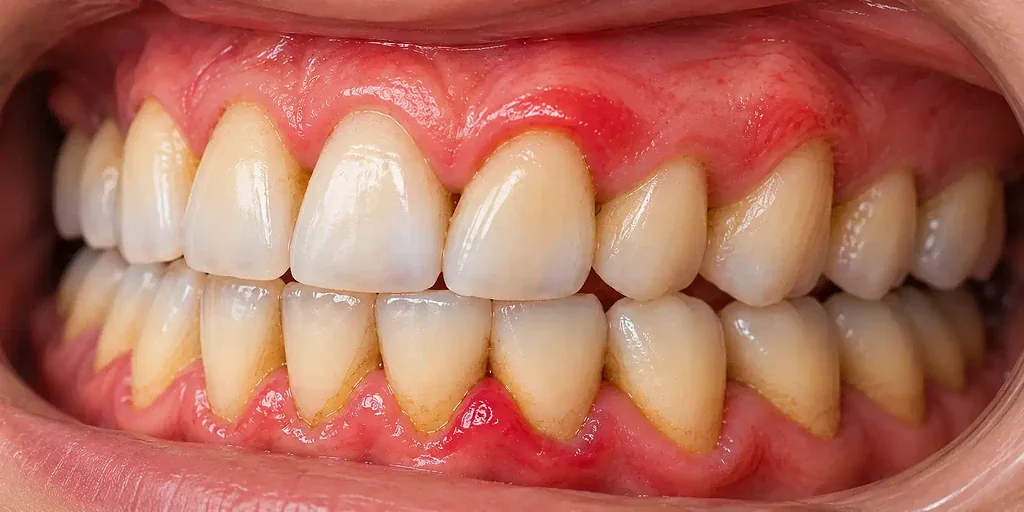
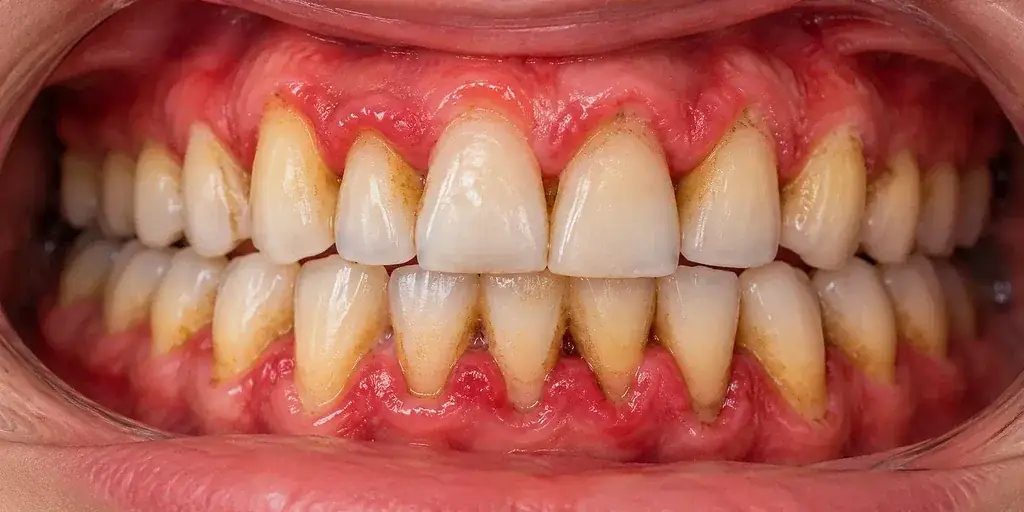
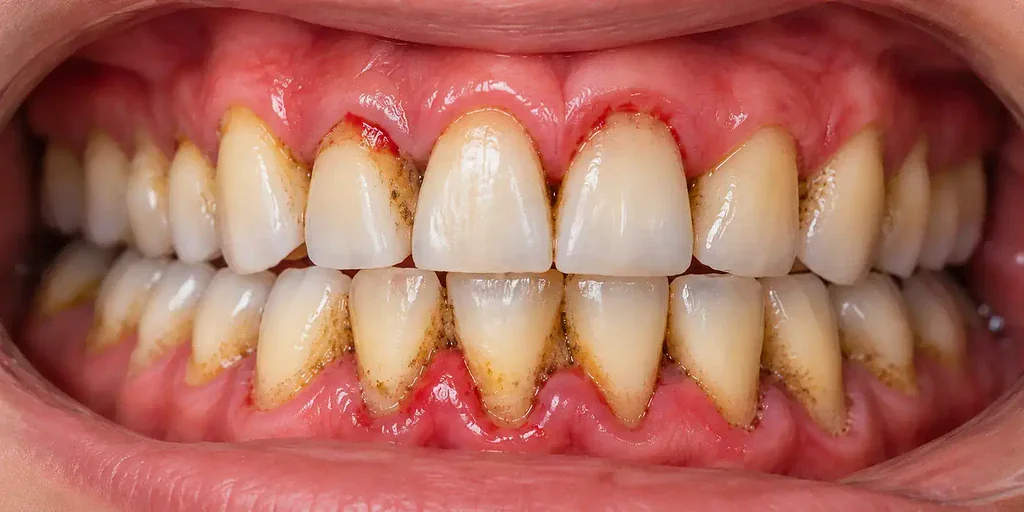
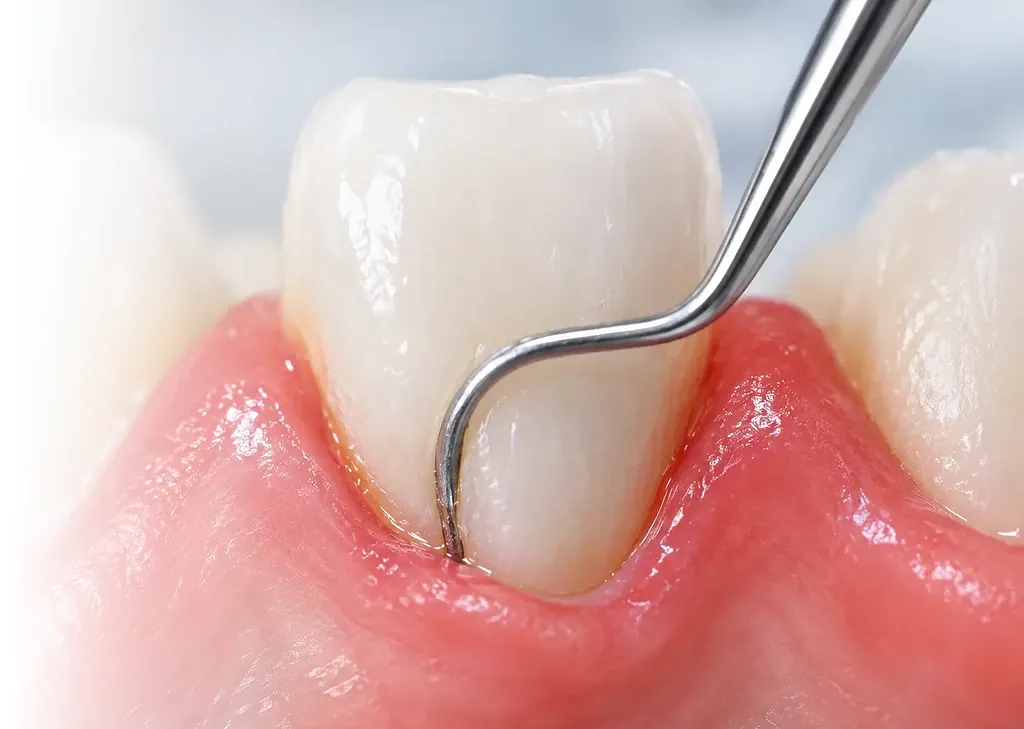
Swollen gums, gingivitis, or periodontal disease refer to an inflammation of the gum tissues. Common symptoms include red gum margins, bleeding whilst brushing or eating, food debris trapped between teeth, gum sores, persistent bad breath, gums pulling away from the teeth, and pain or tenderness along the gumline.

Common Causes of Swollen and Inflamed Gums

  • Improper and ineffective brushing leads to stubborn tartar build-up.
  • Impacted wisdom teeth can cause inflammation around the molar area.
  • Heavy smoking, or long-term regular tobacco use
  • Inadequate cleaning of fixed orthodontic braces, resulting in the build-up of food debris and plaque.
  • Wearing retainers or dentures, and experiencing oral irritation
  • Certain medications may cause gum inflammation.
  • Pregnancy increases the risk of gum inflammation due to hormonal changes.
  • Nutritional deficiencies, such as a lack of vitamin C.
  • Toothpaste or mouthwash allergy

Symptoms of Swollen Gums and Gingivitis

Gum disease, including swollen gums, gingivitis, and periodontitis, develops in three distinct stages:

Gingivitis Stage

  • This is the early stage caused by the build-up of plaque and bacteria, which release toxins that irritate the gum tissue and lead to inflammation. At this stage, the condition is fully reversible with proper treatment.

Periodontitis Stage

  • At this stage, the tissues surrounding the tooth root, known as the periodontal ligament, have suffered irreversible damage, leading to gum recession.

Severe Periodontitis

  • At this stage, the alveolar bone and periodontal ligament supporting the teeth have been completely destroyed. This leads to loose or shifting teeth, potential gum abscesses, and pain, ultimately preventing normal chewing.
*Gingivitis can stem from a variety of causes. A comprehensive diagnosis by a dentist is essential prior to beginning treatment.

Treatments for Swollen and Bleeding Gums (Gingivitis)

Treatment approaches can be divided according to the cause of the condition as follows:

  • If this is caused by inadequate brushing, it can be treated with scaling and root planing.

  • If gum recession occurs, it can be treated with gum graft surgery.

  • If caused by an impacted wisdom tooth, the tooth will be removed or surgically extracted, and a course of antibiotics along with painkillers will be prescribed.

  • Caused by root inflammation, the dentist will assess whether the affected tooth can be preserved.

  • This condition is caused by oral lesions such as cancer or tumours. A biopsy will be performed to examine the tissue, followed by an appropriate course of treatment, such as surgical excision, radiotherapy, or chemotherapy.

  • If caused by braces, retainers, or dentures, your dentist will adjust the appliance to prevent further gum irritation.

Gum disease and gingivitis

are treatable with early care

Swollen and inflamed gums can develop from a variety of causes. If you begin to notice symptoms, we recommend booking a dental examination as early as possible. Gum disease progressively worsens over several stages if left untreated, and reaching its advanced stages can ultimately lead to tooth loss.

Personalised, empathetic dental care with treatment plans tailored

by Specialist Dentists

Personalised, empathetic dental care with treatment plans tailored

by Specialist Dentists

With our clinical expertise and extensive experience, we are dedicated to restoring your teeth and gums to optimal health.

Dr. Atapol Yongvikul

12073

Periodontist, root planing